Log in to your account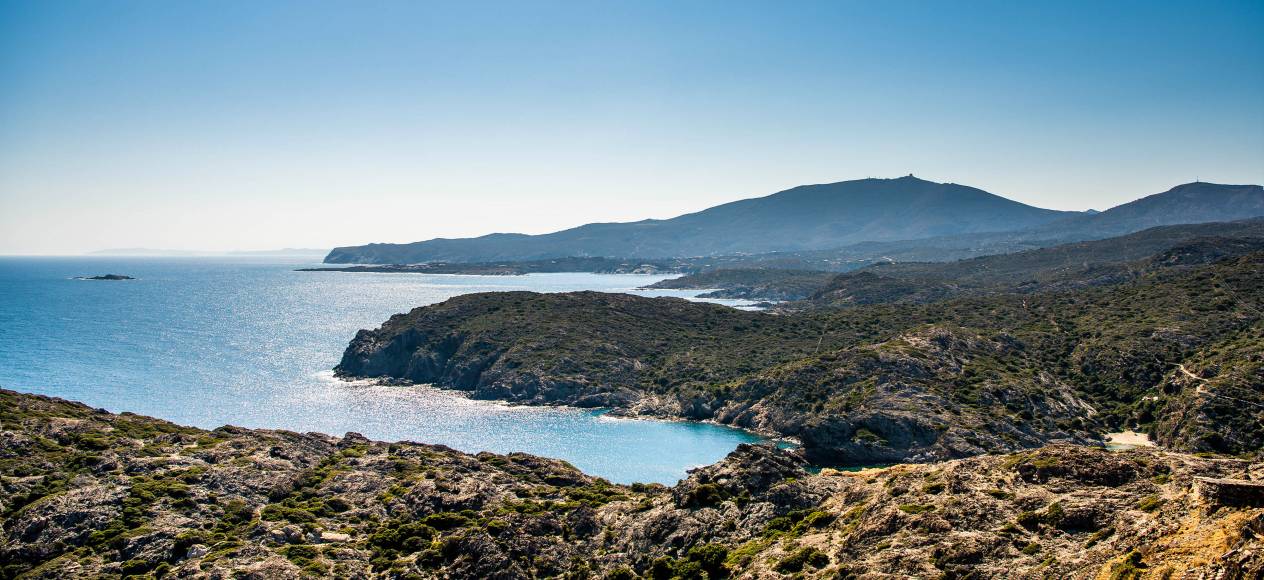
Located at the easternmost tip of the Iberian Peninsula, the Cap de Creus Natural Park, is a mesmerising combination of spectacular cliffs, hidden coves, wind-sculpted rocks, and a sea that changes color depending on the time of day.
Protected since 1998, the Cap de Creus Natural Park is Catalonia's only marine-terrestrial park. This means that its richness is not just found on land - with landscapes to take one's breath away - but also under the water, where a spectacular biodiversity hides. Between tramontana winds, ancient paths, and solitary coves, it's a perfect place to get lost.
How to get to Cap de Creus Natural Park
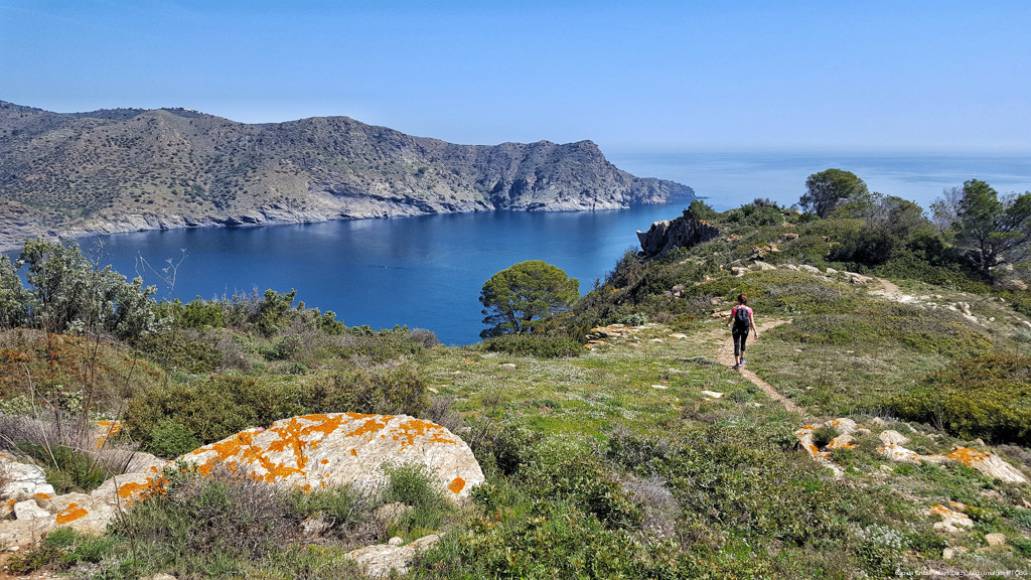
Cap de Creus is located in the Alt Empordà region, at the north-eastern extreme of the Costa Brava, and has several entry points. If your aim is to reach the tip of the cape and its famous lighthouse, Cadaqués is the most common route. From this whitewashed village, one of the most beautiful on the Costa Brava, the road leads to the Cap de Creus lighthouse, one of the 7 most spectacular lighthouses on the Costa Brava. The journey takes about 20 minutes and is a small scenic adventure. However, if you get car sick, take precautions!
Keep in mind that during the high season there are access restrictions to protect the natural environment. On many spring days, at weekends and especially in summer, the road between Cadaqués and the lighthouse is closed to private vehicles during the day. If this happens to you, the best option is to leave your car in the Corral d'en Morell car park, in Cadaqués, and take the shuttle bus that goes to the Tip of Cap de Creus with several stops along the way. If you prefer a more active option, you can also get there on foot or by bicycle, following the same road or some of the marked routes in the park. In fact, many visitors claim that it is the best way to enjoy the landscape without hurry.
The biodiversity of Cap de Creus
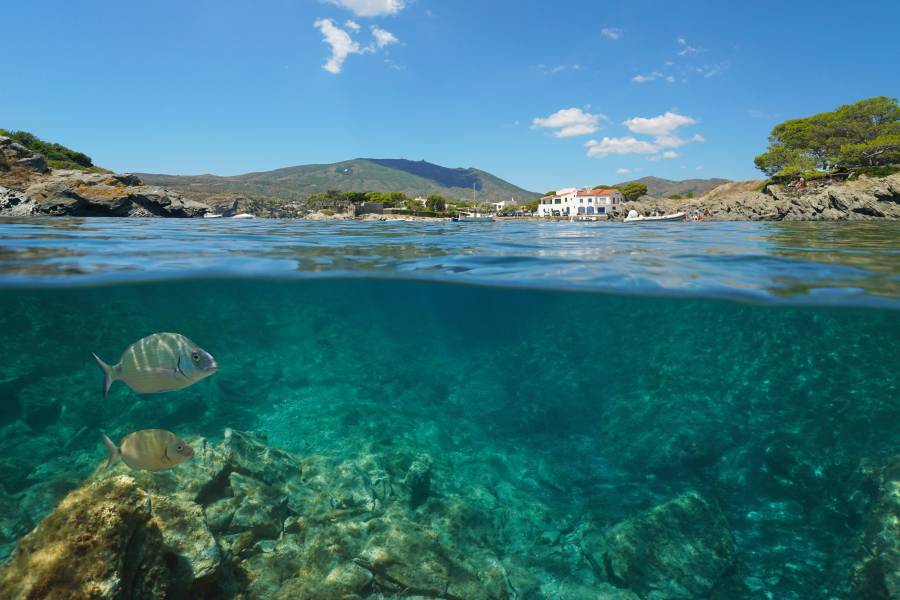
Cap de Creus is a small natural universe. The combination of metamorphic rocks, intense winds, and proximity to the sea has created a unique ecosystem. Among the flora are plants adapted to extreme conditions: low shrubs, steppes, gorses, and Mediterranean vegetation that has learned to withstand the winds of the tramontana. In spring, the landscape is filled with unexpected flowers and colors. As for fauna, the park is a refuge for marine birds and birds of prey like the peregrine falcon. There are also reptiles, small mammals, and a wide variety of marine species. The seabeds of Cap de Creus are considered some of the richest in the western Mediterranean.
Routes and tours to explore Cap de Creus
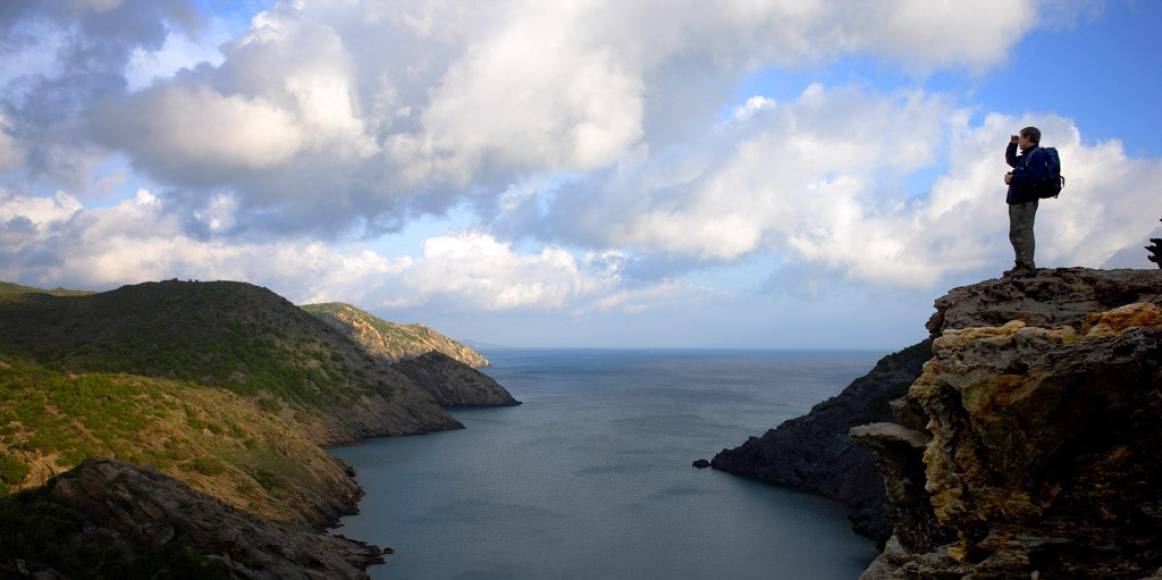
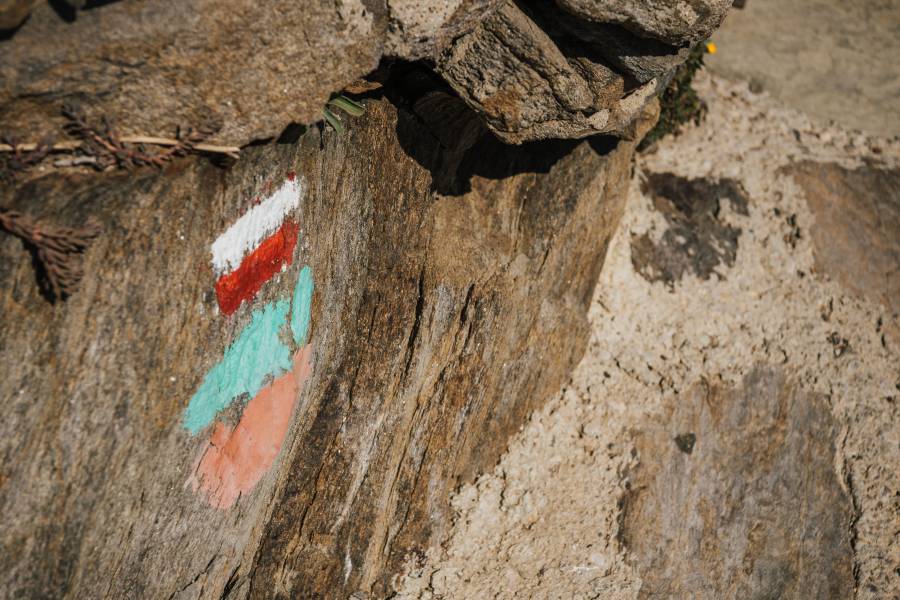
One of the best ways to discover Cap de Creus is by walking. The park is full of signposted routes that cross rocky landscapes, hidden coves, and ancient paths that fishermen and farmers have used for centuries. One of the most spectacular routes is the one that goes from Cadaqués to the Cap de Creus lighthouse, a journey of about 14 km (round trip) that allows you to discover some of the most iconic landscapes of the park: hills shaped by the tramontana, Mediterranean vegetation, and constant panoramic views of the sea. Also highly recommended is the coastal path between Cadaqués and Cap de Creus, which passes through beautiful coves like Culleró, Jugadora or Guillola. For those who prefer a hike with history, another very popular option is the route that connects El Port de la Selva with the monastery of Sant Pere de Rodes. The path gently climbs through vineyards, dry stone walls and natural viewpoints until reaching this impressive Romanesque complex.
The best part is that the park offers routes for all levels: from short and family-friendly walks to more demanding crossings through the Sierra de Rodes or the interior trails. In all cases, there is one constant: the views of the Mediterranean, which will make you stop more than once to contemplate the landscape and take a lot of photos.
Activities to do at Cap de Creus
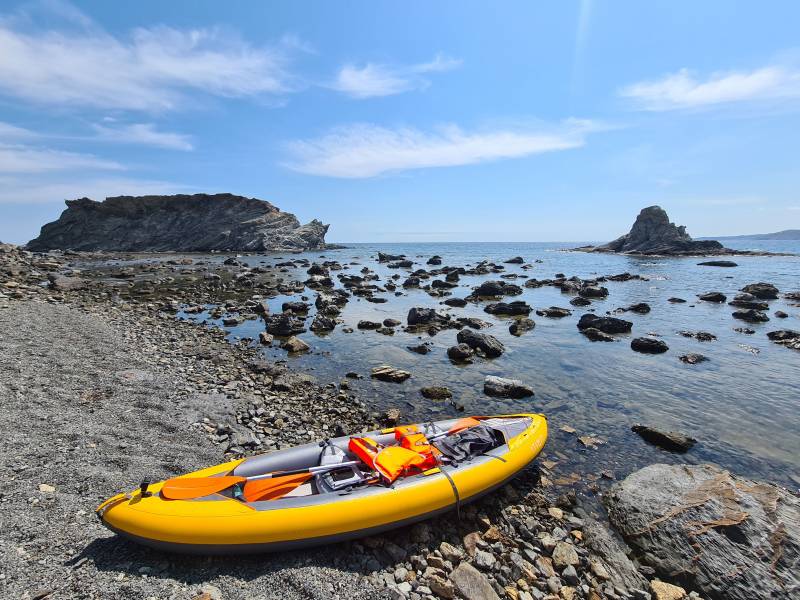
Cap de Creus is a paradise for nature lovers and outdoor enthusiasts. Hiking, as we have already mentioned, is one of the most popular options, with dozens of signposted routes that cross the park through rocky hills, hidden coves, and old fishermen's paths. It is also a fantastic place to explore on two wheels: there are mountain bike routes that cover both the coastal and the interior areas of the park, combining technical sections with spectacular scenery.
But a key part of the park is under the water. The marine protected area of the Cap de Creus Natural Park covers approximately 3,000 hectares, around 22% of the park's total area, and stretches from Tamariua cove (at Port de la Selva) to Falconera point (at Roses). This area preserves some of the richest seabeds in the Catalan Mediterranean. These tours can be done practicing snorkeling, diving or kayaking, and offer the chance to observe Posidonia meadows, Mediterranean fish, and unique underwater rock formations. Sailing or paddling among coves, islets, and cliffs is, without a doubt, one of the most special experiences that can be enjoyed in this corner of the Costa Brava.
The essentials of Cap de Creus
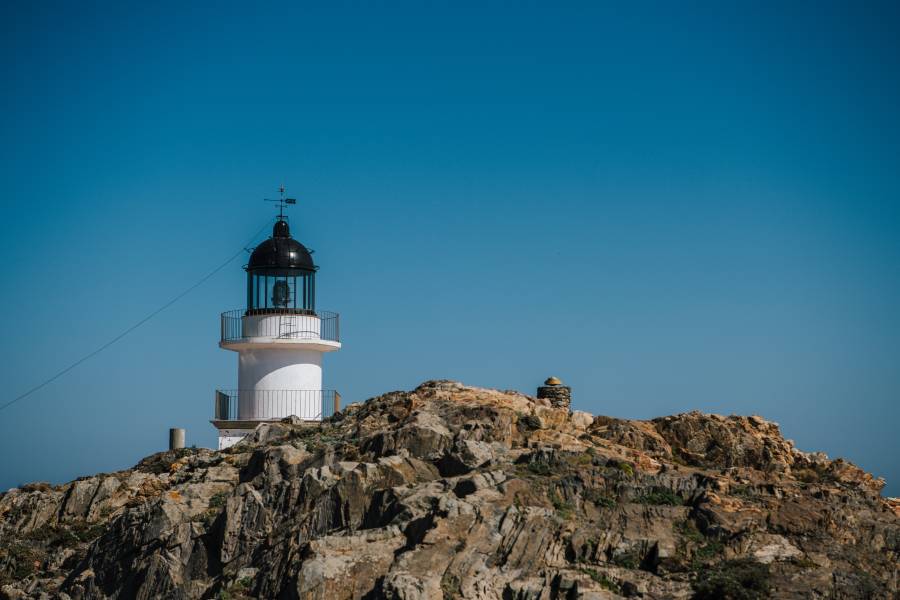
The most iconic and photographed symbol of the park is the Cap de Creus Lighthouse, located at the easternmost point of the Iberian Peninsula. Another spot worth visiting is Cala Jóncols, one of the quietest coves in the area, perfect for unwinding, bathing in calm and grabbing a bite at its beach bar, one of the best beach bars of the Costa Brava. The Port de la Selva Beach is also highly recommended, with its maritime atmosphere and privileged views towards the Rodes Mountain Range.
And then there's the rocks. Yes, the rocks. Cap de Creus is an authentic open-air geological museum. For millions of years, the wind -especially the tramontana-, the sea and the rain have been sculpting the metamorphic rocks of the cape to create surprising shapes. Some resemble animals, others human figures or abstract sculptures. It is not surprising, then, that Salvador Dalí said that he had found here "the most fantastic geological forms in the world".
The cultural heritage of the park
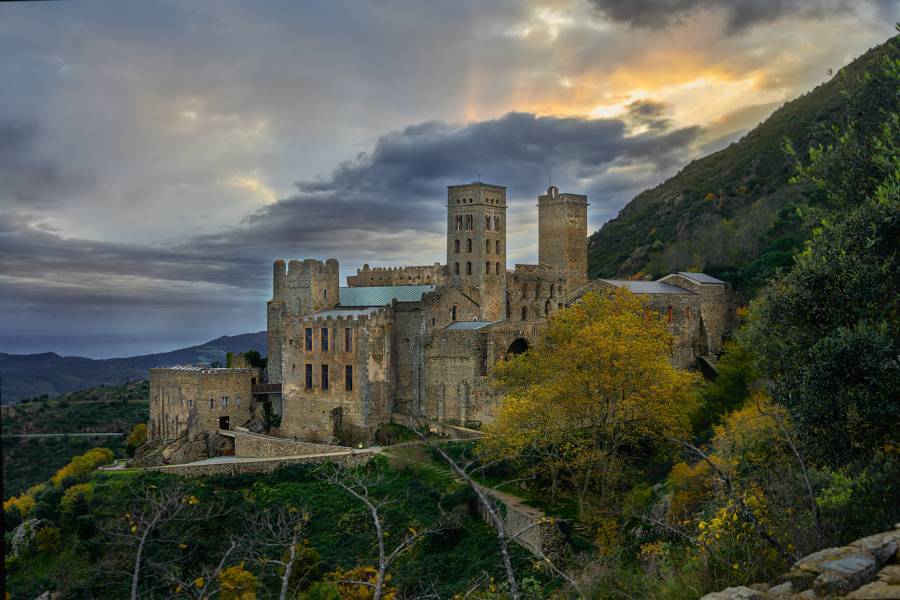
Nature is not the only treasure of Cap de Creus. The park also preserves a fascinating cultural heritage. One of the major features is the monastery of Sant Pere de Rodes, one of the 10 monasteries in Catalonia that you cannot miss, a gem of Catalan Romanesque situated on a spectacular natural viewpoint over the bay. The combination of history and landscape is hard to beat. One can also find solitary hermitages, such as Santa Helena de Rodes or Sant Baldiri de Tavellera, and numerous dry stone constructions: walls, sheds and terraces that explain how the inhabitants of the park adapted to a harsh and windy territory.
Practical tips for your visit to Cap de Creus
The best time to visit Cap de Creus is in the spring and autumn, when the temperatures are pleasant and there are fewer visitors. The park is equally spectacular in summer, but it's advised to avoid the hottest hours. It's important, however, to respect the environment: do not leave the marked paths, do not litter, and avoid disturbing the wildlife. And before you go on an excursion, make sure you're well prepared: water, sunscreen, comfortable shoes and, if possible, a camera or a mobile phone with battery. You'll probably want to photograph every corner.
Cap de Creus is a place where nature is displayed in its purest form. Among hidden coves, ancient paths, and landscapes that seem out of this world, it's the perfect place to discover one of the most authentic facets of the Costa Brava. If you're looking for sea, nature, and a bit of adventure, head to Cap de Creus, it is waiting for you!